
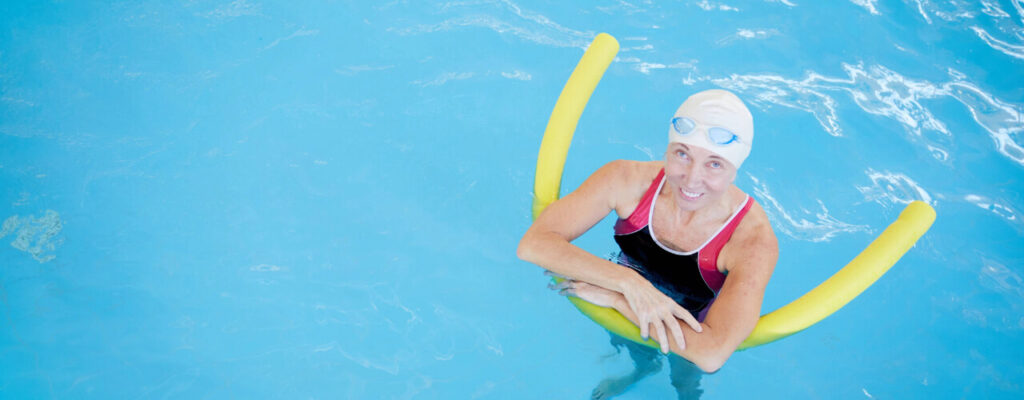
Managing the symptoms of a neurological disorder isn’t easy, but innovative treatments like aquatic therapy offer hope. Aquatic therapy for neurological disorders combines the soothing properties of water with therapeutic exercises designed to improve mobility, strength, and quality of life.
Today, the HAWAII SPORTS & BALANCE CENTER team wants to explore the many benefits of aquatic therapy for neurological disorders like stroke, Parkinson’s disease, or multiple sclerosis. Keep reading to learn more!
Why Aquatic Therapy Works for Neurological Disorders
The unique properties of water create an environment that supports the joints while helping to build muscle strength and stability, making it particularly effective for neurological conditions. Here’s why:
Buoyancy Reduces Load
- Water decreases the effects of gravity, allowing you to move more freely. This is especially helpful for those with muscle weakness or impaired balance.
Hydrostatic Pressure Improves Circulation
- The gentle pressure of water against the body encourages better blood flow, which can help reduce swelling and improve overall circulation.
Resistance Safely Builds Strength
- Water resistance adjusts naturally to your effort, providing a safe and customizable way to build muscle strength.
Warmth Promotes Relaxation
- Our heated pool relaxes stiff muscles and reduces pain, making it easier for you to stay consistent with your therapy.
Neurological Conditions That Benefit from Aquatic Therapy
Stroke Recovery
- Aquatic therapy aids in rebuilding strength and coordination for stroke survivors without putting them at risk of falling.
Multiple Sclerosis (MS)
- Aquatic therapy in a cool pool helps reduce spasticity, increase mobility, and improve endurance without overheating, which is a common concern for people with this condition.
Parkinson’s Disease
- People with Parkinson’s can benefit from the water’s resistance, which helps improve balance, mobility, and gait. Aquatic exercises also support smoother movements, which are often challenging on land.
Cerebral Palsy
- The supportive nature of water allows individuals with cerebral palsy to work on muscle strength, coordination, and range of motion with reduced risk of injury.
Traumatic Brain Injuries
- Aquatic therapy creates a safe and stimulating environment for rehabilitation and promotes motor control and cognitive function recovery in patients recovering from a brain injury.
What to Expect During Your Aquatic Therapy Sessions
Aquatic therapy functions like land-based physical therapy–it just happens in the pool! Our therapists will perform a comprehensive assessment to help us understand your unique needs and goals. From there, we’ll create a personalized therapy program. Here are some of the activities we might include:
- Gentle stretching and range-of-motion exercises
- Balance and coordination drills
- Strengthening routines using pool equipment
- Gait training and walking exercises
Patients often report feeling more comfortable and empowered in the water compared to traditional therapy settings.
Ready to Try Aquatic Therapy?
Aquatic therapy for neurological disorders could be the key to improved mobility and a better quality of life. By integrating this innovative treatment into your care plan, you may discover new ways to move, heal, and thrive.
Schedule an appointment at HAWAII SPORTS & BALANCE CENTER’s Lihue, HI, and Kapa’a, HI clinic to get started!
Tags: water therapy, neurological rehab, balance improvement, stroke recovery
